Conference Programme
2026 Theme: The F Words!
Programme
Registration & Networking
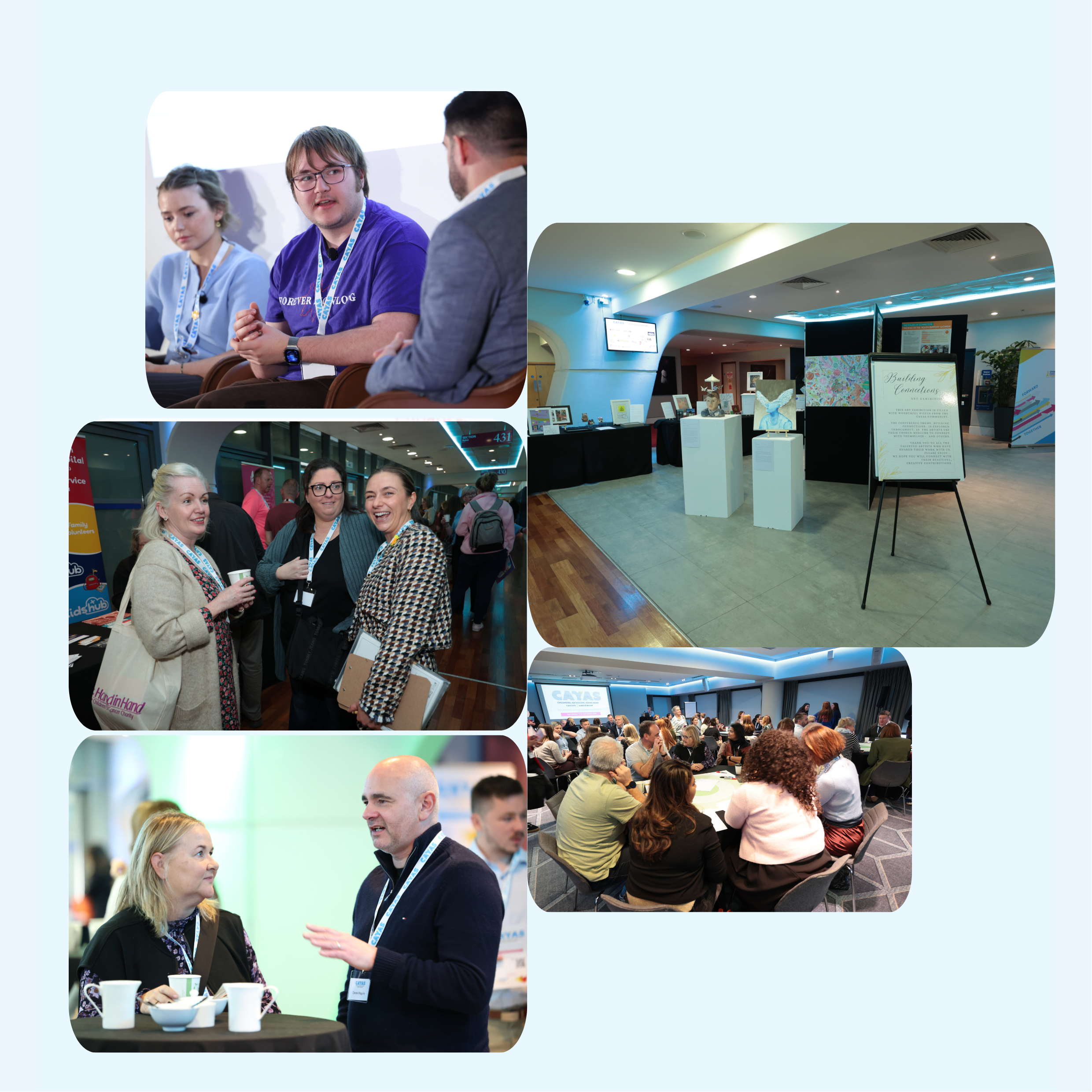
Refreshments served on arrival, with time to view the poster presentations and visit the exhibition stands and art exhibition.
Keynote Address
Sarah Dunne is a two-time cancer survivor who is currently studying to become an Intellectual Disability Nurse. In her keynote at CAYAS 2026, Sarah will share her experience of cancer and life beyond treatment, reflecting on the support networks that have been vital throughout her journey and the importance of finding connection in the people around you.
She will also explore the freedom and independence she has found in simple, everyday milestones and what it means to move forward, build a future and embrace life beyond cancer.
Co-production of recommendations to improve Psychosocial Support Services for AYA and information and communication between Adolescent and Young Adult (AYA) with cancer and Healthcare and Support Professionals on the Island of Ireland.
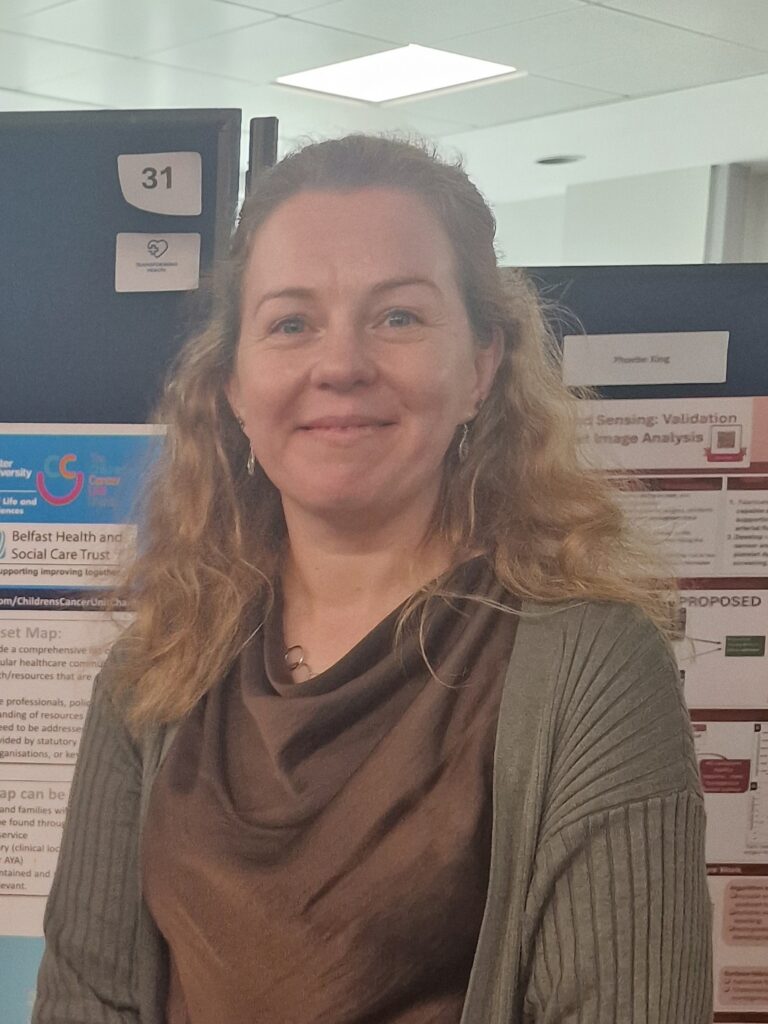
Aileen O’Dwyer is presenting on the findings from the final study in a PhD research project to understand the cancer support landscape for AYA on the island of Ireland. Aileen is a parent of a young person with a cancer diagnosis, and aware of the need for accessible and appropriate social support for young people diagnosed with cancer during and after treatment. The Co-production is a collaborative research study, in which AYA, Caregivers and Healthcare and Support Professionals came together to provide recommendations for improvement to AYA psychosocial support services and communication between Professionals and AYA. Recommendations for improvements in areas such as education, employment, finances, fertility, psychological services and specialist services were generated. These recommendations can help shape future policy, research, and service development priorities for AYA cancer care.
Irish Childhood Cancer Survivorship Database and Survivorship Care Plan
National CAYA Survivorship Long-Term Follow-Up Care Strategy Development in Ireland
The presentation will outline the development of a national strategic planning document for CAYA cancer survivorship long‑term follow‑up (LTFU) care in Ireland. It focuses on the process undertaken, including a national scoping exercise to understand current service provision. The presentation will describe how this evidence informed the design of a proposed national CAYA LTFU Hub. It will also highlight the purpose of the document as a foundation for future service planning, implementation and investment.
Evaluating Childhood Cancer Ireland's Life After Childhood Cancer Treatment Programme
This presentation will share findings from the pilot evaluation of Ireland's first structured family psycho-educational programme for children who have completed cancer treatment and their families. It will explore participant experiences, the programme's impact and areas for future development. Key outcomes, lessons learned and the implications for the future delivery of evidence-informed services for children and families in Ireland will also be discussed.
Framing Your Story
A creative space to share what you wish people knew
If people could understand just one thing about this experience, what would it be? Join us for a creative workshop using drama and photography to explore ideas, experiences and emotions. Working together, participants will create freeze frames that bring words and feelings to life, opening up conversations in a relaxed and supportive environment.
Coffee Break
View the poster presentations and visit the exhibition stands and art exhibition.
Turning the F Words into Action
This interactive round table discussion will explore how the “F Words” - Functioning, Family, Fitness, Fun, Friends and Future - can help shape experiences, supports and survivorship in childhood cancer.
Bringing together young people, parents, healthcare professionals, researchers and support organisations, the session will provide an opportunity to share perspectives, challenges and ideas around supporting children and young people beyond treatment.
Discussions will focus on quality of life, participation, wellbeing and the importance of looking at the whole person, not just the diagnosis. The round table format will encourage open conversation, shared learning and collaboration, helping participants reflect on how the F Words can be applied in practice across healthcare, education, psychosocial support and everyday life.
Lunch
Welcome back
Remembrance
The F Words Through Different Lenses
This panel discussion will explore how the six F Words can mean very different things depending on who you are and where you are in the childhood cancer journey.
While healthcare professionals, parents and young people may have very different priorities, concerns and perspectives, all while working towards the same goal. This session will facilitate honest conversation about what matters most and how we can better support children and young people to thrive during and after cancer treatment.
Panel:
- Peter Coughlan, parent
- Jeanette Coughlan, parent
- Clara Barry, Candidate CNS Haematology/ Oncology, Cork University Hospital
- Ciaran Boylan, Senior Counselling Psychologist, CHI at Crumlin
- Kevin Vaskov, adolescent cancer survivor
- Daniela Micule, adolescent cancer survivor
Building Your Wellbeing Toolkit
This interactive workshop for adolescents, young adults who have or had cancer, and their siblings will explore wellbeing through the “F Words” framework — Functioning, Family, Fitness, Fun, Friends and Future.
Using creative mind-mapping activities, participants will build their own personal wellbeing toolkit, reflecting on where they are now, what matters most to them and where they would like to be in the future. Together, they will identify small, achievable steps that can help them work towards their goals while recognising the strengths, supports and activities that already help them cope and thrive.
The workshop is designed to be relaxed, engaging and fun, while also creating space for connection, self-expression and shared experiences with others who understand the impact of childhood cancer on young people and families.
Research Symposium - Engagement & Recruitment in CAYA Cancer Research
This research symposium will bring together social researchers working in the field of childhood, adolescent and young adult cancer to share knowledge, present current work and strengthen connections across this growing area of research.
The session will provide an opportunity to explore the unique challenges of social research in childhood cancer, including family engagement, recruitment, communication and collaboration. Participants will discuss practical approaches to working with children, young people and families in sensitive and meaningful ways, while also identifying opportunities to build stronger partnerships and improve how researchers work together.
As a relatively small but important research community, the symposium aims to encourage collaboration, shared learning and the development of supportive networks that can help advance research and improve experiences for children, young people and families affected by cancer.
This session will include a panel discussion:
Chaired by Dr. Suzie Guerin, Professor of Psychology (Research Design & Analysis), UCD School of Psychology
- Aileen O'Dwyer – parent and psychosocial researcher, Ulster University
- Dr Avril Deegan – survivor and psychosocial researcher
- Maríosa Grace Churchard - survivor and advocate
- Soosy Jacob - retired Clinical Trials and Research Nurse Manager in CHI at Crumlin.
These breakout sessions are 45 minutes each and are repeated after the coffee break, giving everyone a chance to attend both sessions.
Understanding Late Effects
This workshop will provide an overview of potential late effects following childhood, adolescent and young adult cancer treatment. The session will discuss different types of late effects, advances in survivorship care and the importance of follow-up monitoring, information-sharing and self-advocacy.
Small Skills, Big Impact: Supporting Executive Function Skills After Childhood Cancer
Coffee to Go
Understanding Late Effects
Small Skills, Big Impact: Supporting Executive Function Skills After Childhood Cancer
Speaker / Facilitator Bios

Sarah Dunne
Childhood and young adult cancer survivor
My name is Sarah, I am 22 years old, I have two sisters and I’m from Dublin. I am in my final year of Intellectual Disability Nursing in Trinity College Dublin.
Aileen O'Dwyer
PhD Researcher and parent of a survivor
Professor Michael Capra
Consultant Paediatric Oncologist, CHI at Crumlin
Michael Capra graduated from the University of the Witwatersrand, Johannesburg, South Africa in 1987, following which he completed his postgraduate paediatric and specialist paediatric oncology training in the United Kingdom.
He obtained his Masters in Medical Education in 2000 prior to commencing his Paediatric Haematology/Oncology Fellowship in The Hospital for Sick Children, Toronto in 2001. He was appointed on staff at the same institution in 2003, a post he held until 2006, when he relocated to Dublin to take up a Paediatric Oncology Consultant post in CHI at Crumlin.
Michael is a Clinical Professor of Trinity College Dublin, a fellow of the Royal College of Physicians of Ireland (RCPI) and a member of multiple collaborative childhood cancer organisations, including the International Society of Paediatric Oncology (SIOP) and the Children’s Oncology Group (COG).
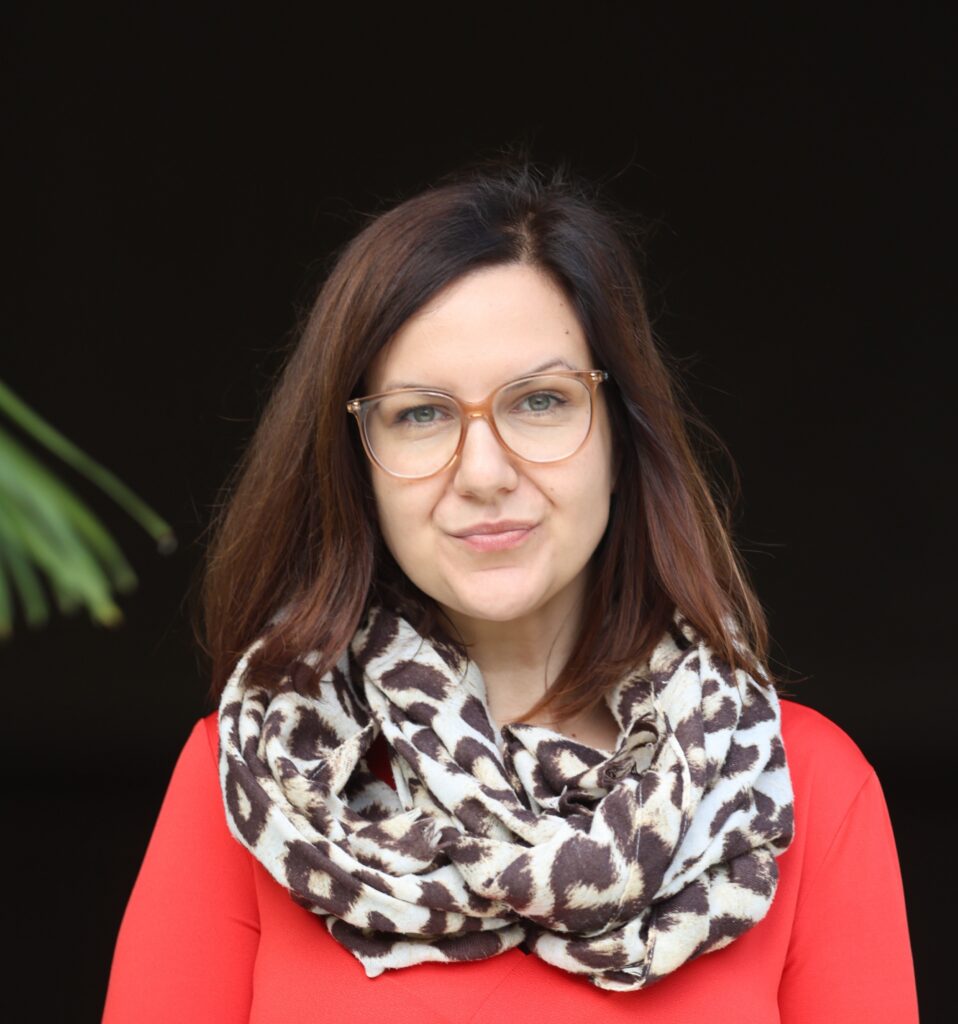
Niya Mateeva
National Project Manager, National Cancer Control Programme
Niya Mateeva is a National Project Manager for both Psycho-Oncology and Survivorship with the National Cancer Control Programme (NCCP). This role drives implementation of key recommendations in the INational Cancer Strategy, supports and steers the work of the Psycho-Oncology programme and works towards cancer survivorship nationally for cancer patients and their families.
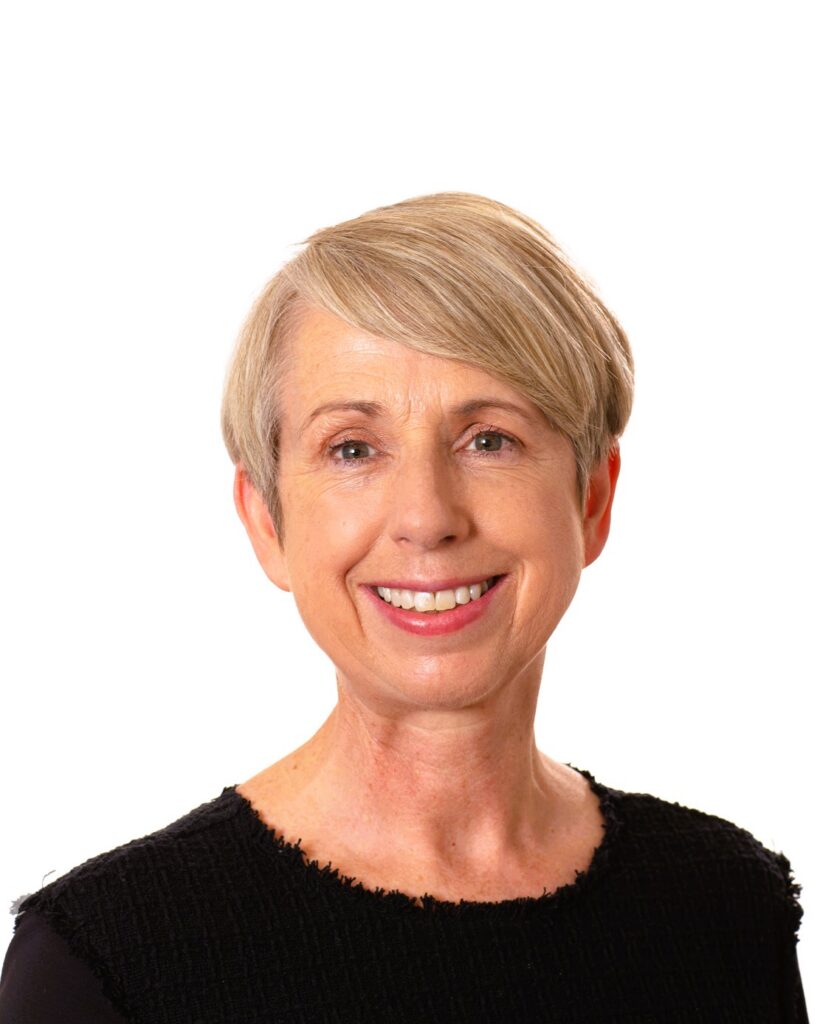
Cathleen Osborne
Assistant Director of Nursing, National Cancer Control Programme
Cathleen Osborne works as an Assistant Director of Nursing at the National Cancer Control Programme. She leads on a number of key projects to implement the survivorship recommendations from the National Cancer Strategy and supports the development of national cancer nursing initiatives.
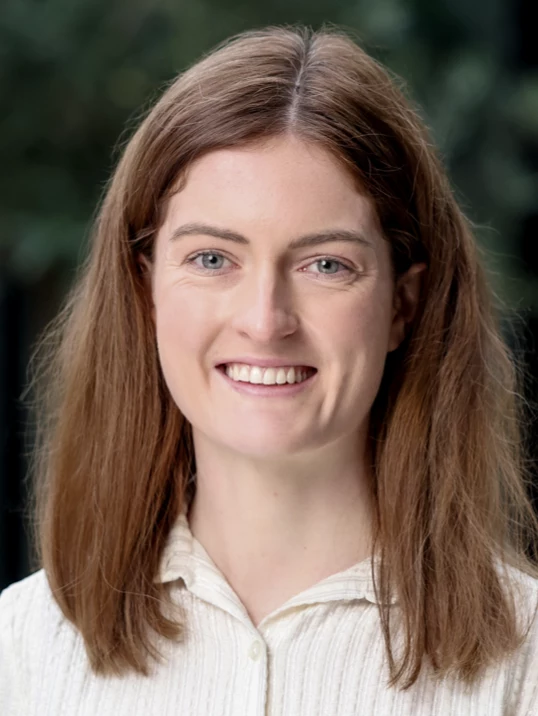
Dr Avril Deegan
Service Co-Ordinator, Research & Development Officer, Childhood Cancer Ireland
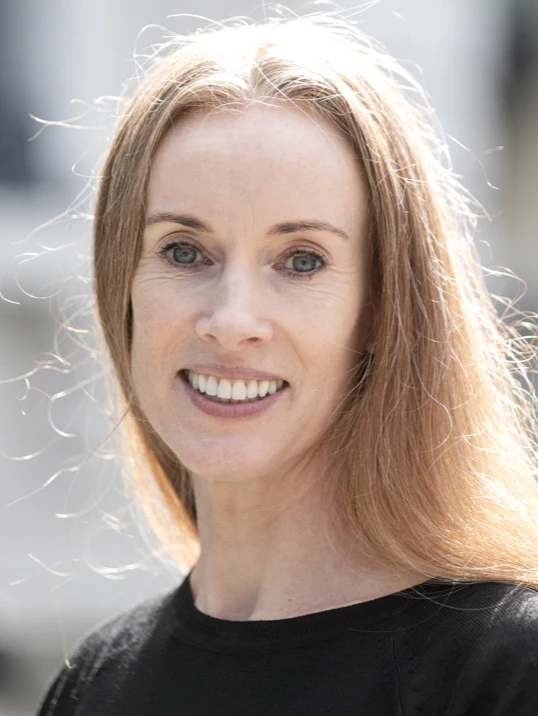
Dr Mairead Brennan
Director of Psychosocial Services, Childhood Cancer Ireland
Dr Mairead Brennan, Principal Clinical Psychologist has 10 years of experience of working within Psycho-Oncology services across children, adolescents, young adults and adults. She completed her Clinical Doctorate training in University of Galway in 2015.
Mairead worked in Cancer Care West in Galway for eight years, during which time she developed a hospital-based service within the Galway Clinic and a community-based family service within Cancer Care West.
Since 2023, Mairead has developed and co-facilitated a one-day Psychoeducational Workshop for Parents following their child’s cancer treatment with Childhood Cancer Ireland.
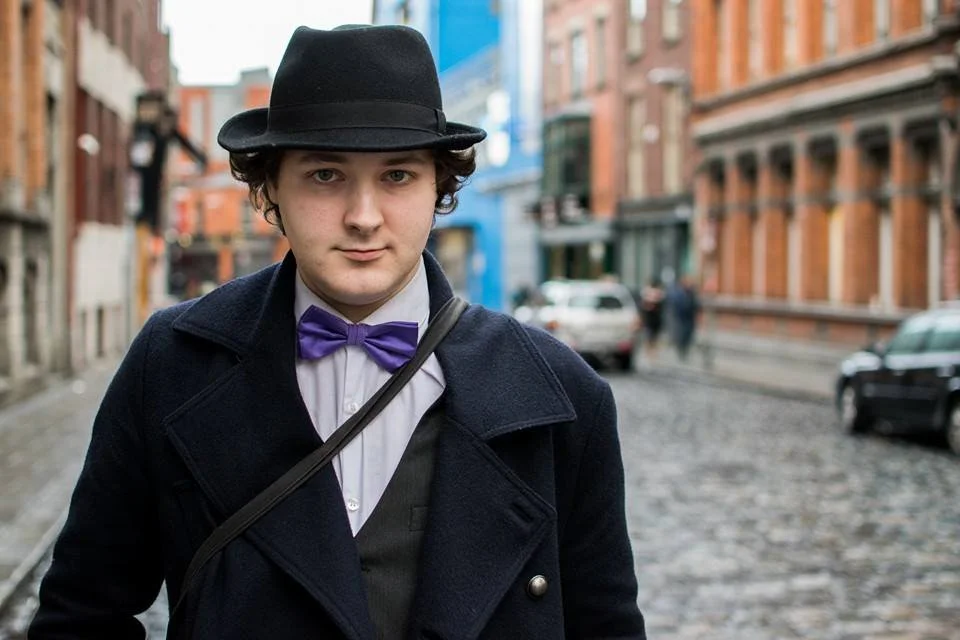
Cian O Ceallachain
Drama teacher and playwright
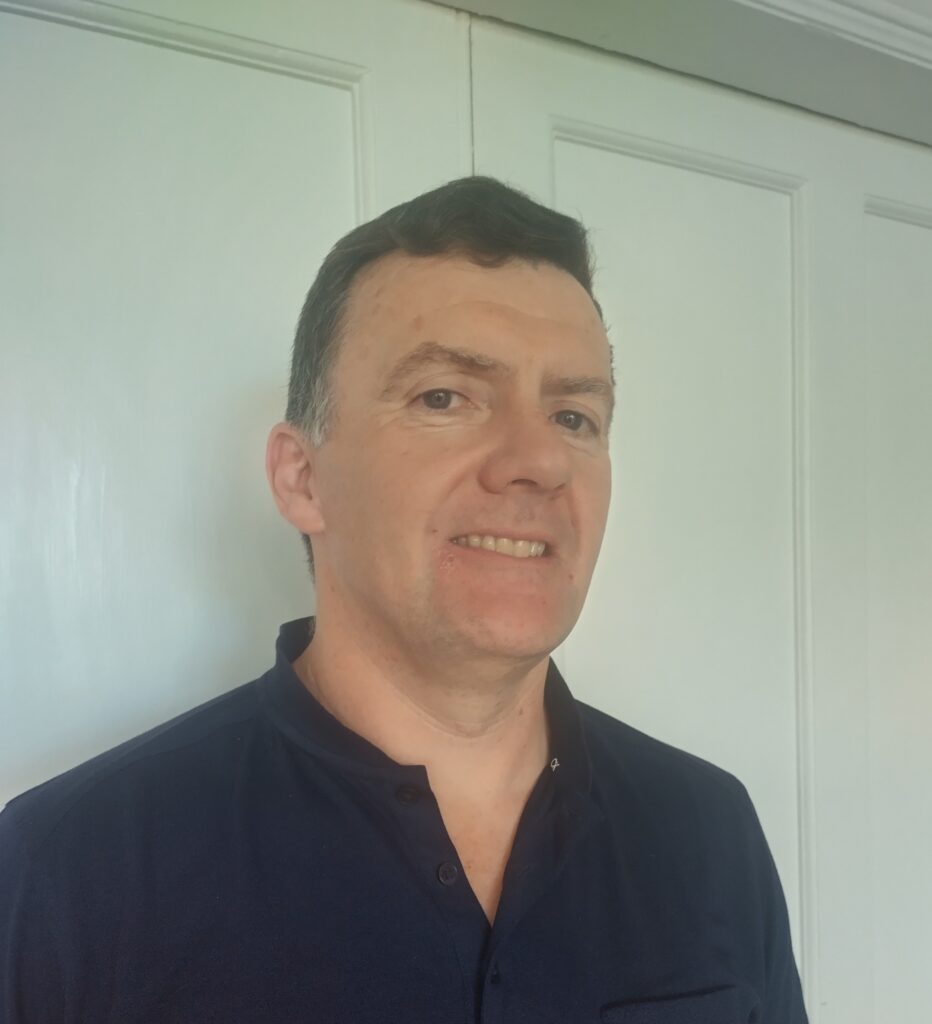
Peter Coughlan
Parent of a Childhood Cancer Survivor
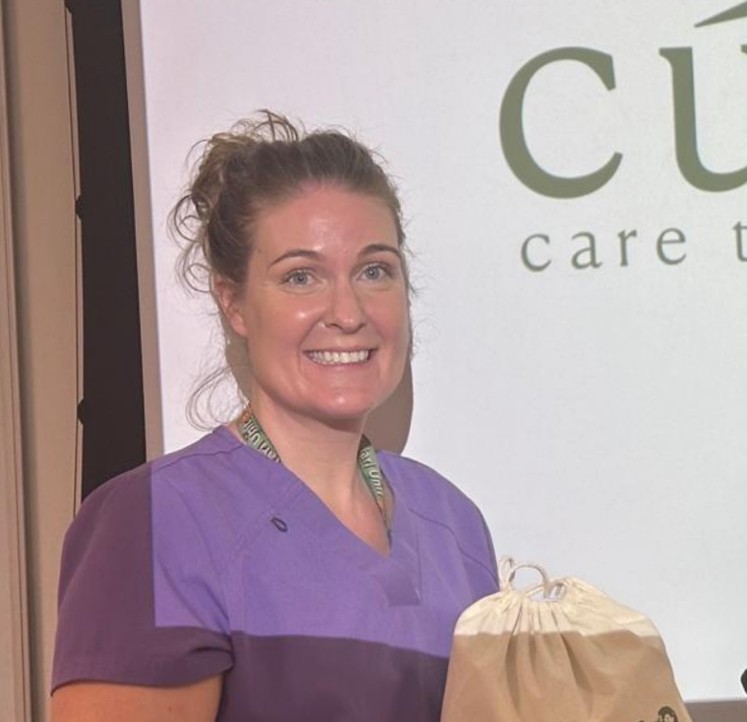
Clara Barry
CNS Haematology/ Oncology, Cork University Hospital
Clara graduated from Trinity College Dublin in 2013 after completing the Integrated Children’s and General nursing bachelor’s degree program. Her experience includes the Mercy University Hospital, Cork, the Royal Children’s Hospital in Melbourne and Peter MacCallum Cancer Centre in Australia.
On returning to Ireland, Clara took up a staff nurse role on St Annes paediatric department, as well as taking on an acting CNM1 role.
Clara is currently working as a Candidate Clinical Nurse Specialist in paediatric haematology/oncology, while undertaking a post graduate diploma in cancer nursing for children. She has a special interested in the holistic and integrative approach to care.
Dr Lisa Carey
Assistant Director, Center for Innovation and Leadership in Special Education, Kennedy Krieger Institute
Dr. Lisa Carey is an education specialist and researcher at Kennedy Krieger Institute and The Johns Hopkins University School of Education. Lisa and her colleague Dr. Lisa Jacobson established the Hospital School Liaison Program (HELP) in 2020 to support communication between schools and healthcare teams about educational needs during and after childhood cancer. Her research focuses on the intersection of pediatric medicine and primary /post-primary education with a target of improving the quality of educational experiences for children and adolescents who have experienced cancer and other serious illnesses.
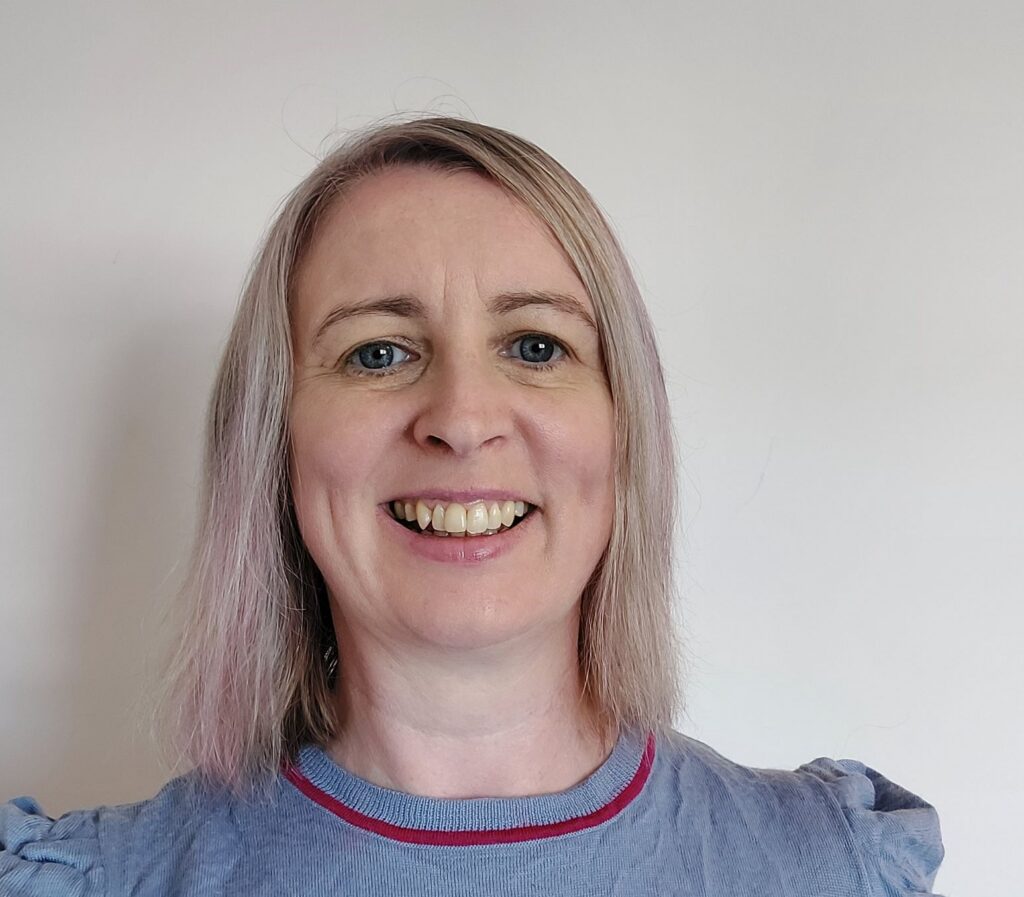
Dr Margaret Flood
Assistant Professor in Inclusive Education, Maynooth University
Dr Margaret Flood is an Assistant Professor in Inclusive Education at Maynooth University and Academic Advisor for the Maynooth Access Programme. With a background in teaching, curriculum and policy development, and teacher professional learning, Margaret is passionate about Universal Design for Learning (UDL) and inclusive education. As a Fulbright Scholar, she collaborated with CAST and Boston College on UDL Guidelines 3.0. A former Education Officer at the NCCA, Margaret has led national inclusive curriculum initiatives. All of this has informed her thinking around creating inclusive spaces for children returning to school with or after treatment for complex health conditions, such as cancer. Margaret also hosts the podcast Talking about all things Inclusion.
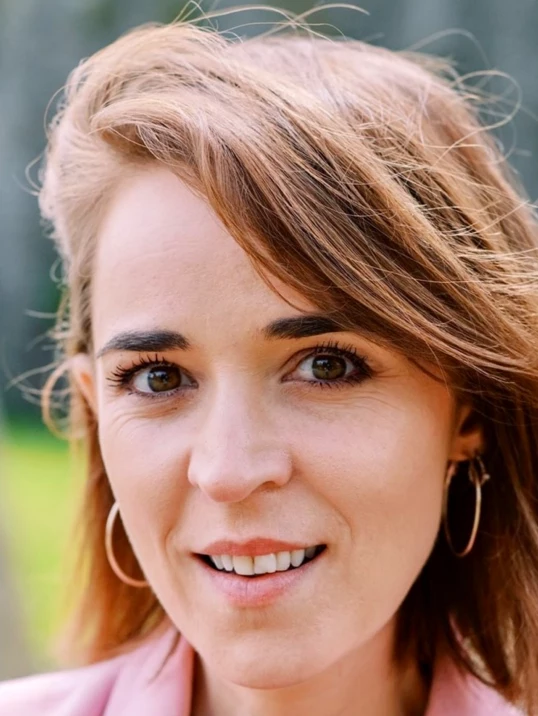
Aoife Moggan
Childhood cancer survivor and advocate and curator of the CAYAS art exhibition
Aoife is a podcast enthusiast and boxset binger. She is happiest when people watching, exploring new places, being creative and catching up with friends and family over endless cups of tea. Aoife was diagnosed with a spinal Astrocytoma at 13 and has been on the complicated, difficult and privileged road that is illness and survivorship for the last 25 years. A journey that she believes, along with her psychology degree, has put her in good stead to become a patient advocate – a role that Aoife is very proud to hold for Childhood Cancer Ireland.
CAYAS 2026 Programme Committee
We are very grateful for the time and expertise of our programme committee, who have supported the development of this year’s programme and lent their time generously. Our programme committee is comprised of a mix of clinicians, parents and survivors, helping to ensure that our content is varied, with the patient voice always at the centre.
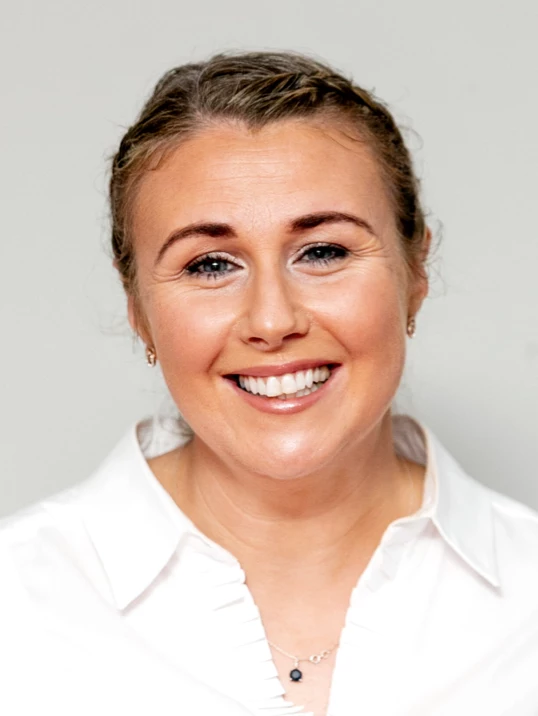
Laura Cullinan
CEO of Childhood Cancer Ireland and parent of a survivor
Laura joined the Board of Childhood Cancer Ireland in 2014, after her daughter Isobel was diagnosed with cancer at only 21 months old. Laura played a committed role on the Board of Directors for almost seven years, before becoming the first CEO of the charity in late 2022.
Having experienced a child’s diagnosis, treatment and the long-term effects first hand, Laura is passionate about supporting families and survivors at all stages and to establishing and delivering programmes that will ensure the long-term wellbeing of families and survivors. She believes that increased public awareness of childhood cancer will ultimately lead to more funding and research, early diagnosis, improved survival rates and fewer side effects from treatment. Laura has a background in financial services.
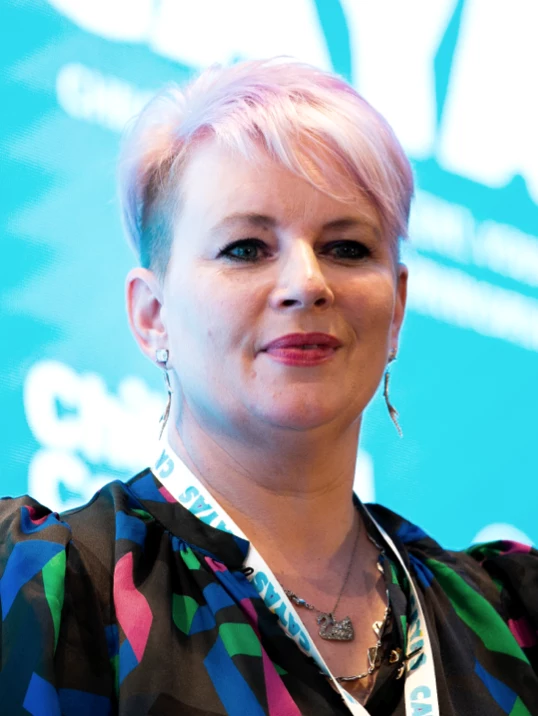
Evelyn Griffith
Manager of CanTeen Ireland
Evelyn is qualified as a nurse (RGN) in 1997 and worked on the oncology ward in the Mater Hospital for over 18 months before travelling to Australia for a year. She started working with CanTeen in May 2001 and has been working with young people with cancer for over 20 years. Evelyn has also trained in holistic therapies – holistic massage, reflexology and Indian head massage and in 2014 received her BSc in Counselling and Psychotherapy from PCI College & Middlesex University, working as a psychotherapist on a part-time basis.
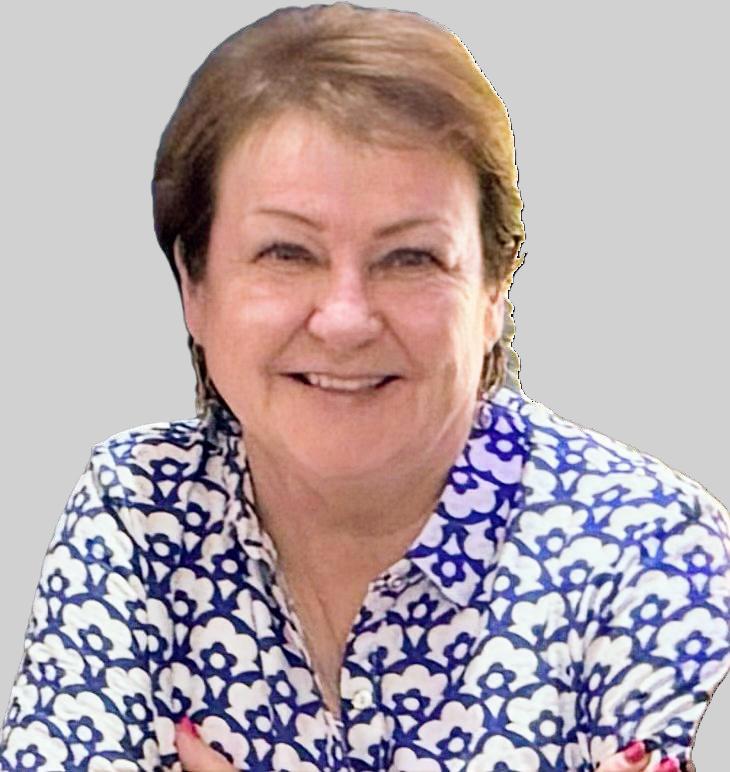
Patricia McColgan
Voluntary Director of Childhood Cancer Ireland and parent of a survivor
Patricia’s son Rory was diagnosed with a brain tumour in 2008. After the completion of his treatment, it became clear that there were no follow-up supports in place to help survivors enjoy the best possible quality of life and to address the late effects of treatment. Patricia co-founded CanCare4Living with fellow parent Garry Owens, to advocate for survivors of childhood, adolescent and young adult cancer. She is passionate about the power of collaboration and keeping the voice of those with lived experience central to any discussion about them.
CanCare4Living merged with Childhood Cancer Foundation Ireland in August 2022 and Patricia continues that work now under the charity’s new name of Childhood Cancer Ireland.
Professor Michael Capra
Consultant Paediatric Oncologist, CHI at Crumlin
Michael Capra graduated from the University of the Witwatersrand, Johannesburg, South Africa in 1987, following which he completed his postgraduate paediatric and specialist paediatric oncology training in the United Kingdom.
He obtained his Masters in Medical Education in 2000 prior to commencing his Paediatric Haematology/Oncology Fellowship in The Hospital for Sick Children, Toronto in 2001. He was appointed on staff at the same institution in 2003, a post he held until 2006, when he relocated to Dublin to take up a Paediatric Oncology Consultant post in CHI at Crumlin.
Michael is a Clinical Professor of Trinity College Dublin, a fellow of the Royal College of Physicians of Ireland (RCPI) and a member of multiple collaborative childhood cancer organisations, including the International Society of Paediatric Oncology (SIOP) and the Children’s Oncology Group (COG).
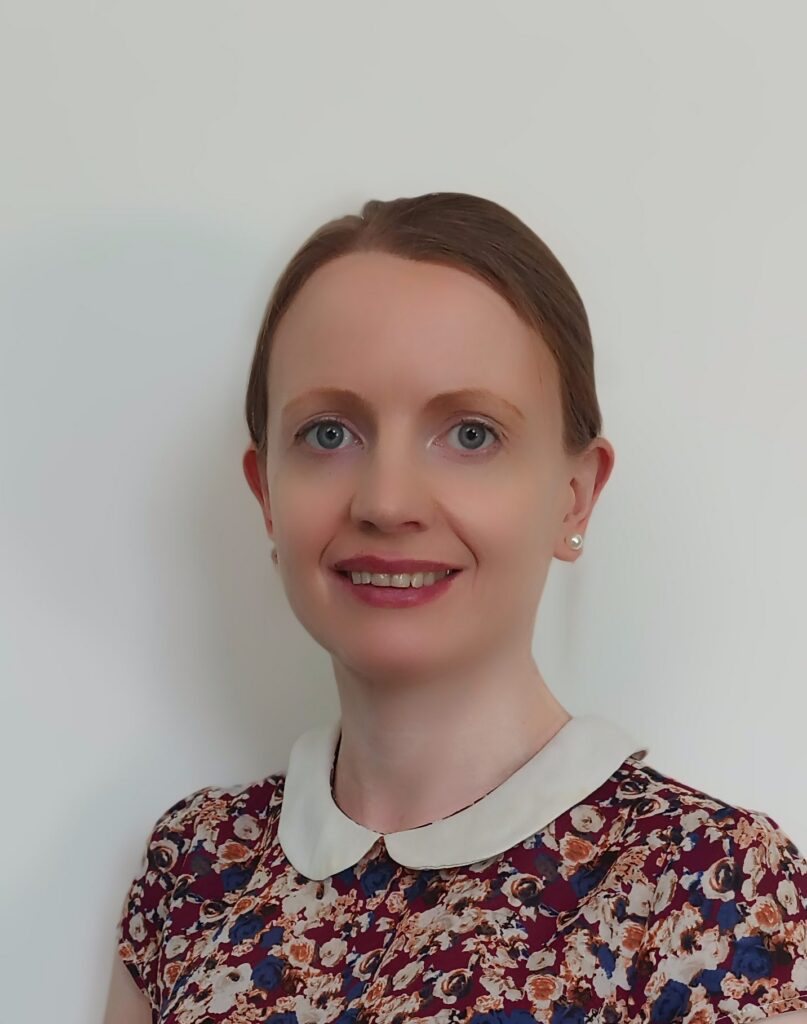
Marie Healy
Chartered Physiotherapist, Research Fellow & Project Manager at Trinity College Dublin
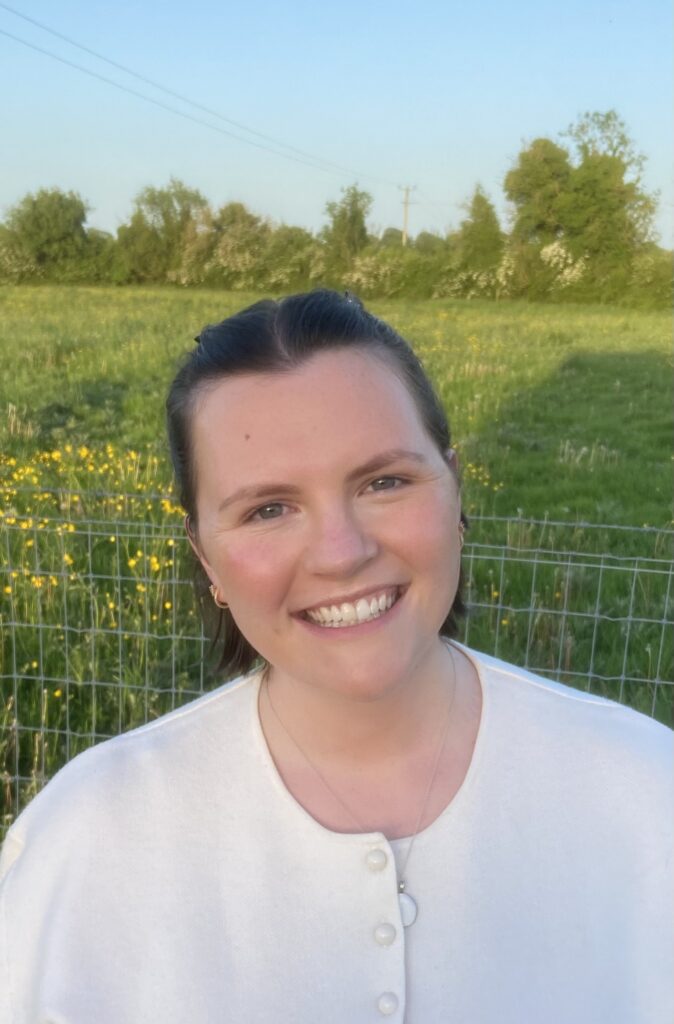
Ciara Brady
Young Adult Cancer Survivor
Ciara was diagnosed with Hodgkin’s Lymphoma when she was 23 and completed treatment in March 2025.
She found that connecting with other adolescents and young adults gave her invaluable support, understanding, and friendship. Now, she hopes to help bring people together and create that same sense of connection for others – Ní neart go cur le chéile
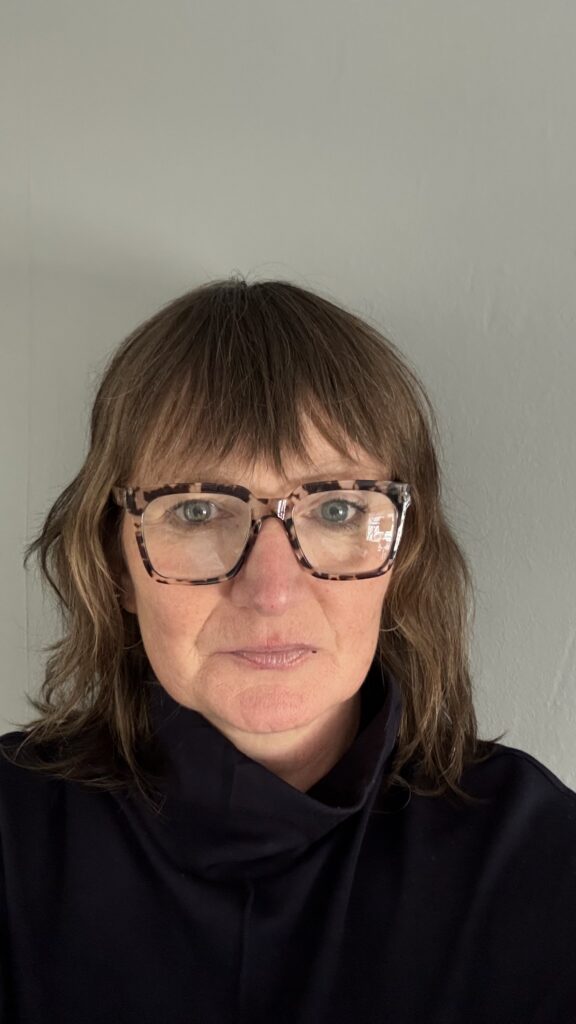
Jane McCarthy
Project Manager/CNM2 for National Cancer Survivorship Programmes within the National Cancer Control Programme (NCCP)
Jane worked as a Clinical Nurse Specialist in Psycho-Oncology and has over 13 years’ experience across oncology, palliative care, psycho-oncology, mental health and survivorship services. Her clinical and leadership work has focused on supporting individuals and families living with and beyond cancer through compassionate, evidence-informed psychosocial care and survivorship interventions.
In her current national role with the National Cancer Control Programme, Jane coordinates and manages survivorship initiatives including Cancer Thriving and Surviving, Empower Cancer and Menopause, CLIMB, CUBS and Building Better Caregivers.
This combined expertise has strengthened her understanding of the psychological, emotional and existential impact of cancer across the illness trajectory, as well as her personal experience of cancer of young person and older adult within her family.
Jane is currently completing an MA in Integrative Counselling and Psychotherapy at ICHAS.

Eoin Cronly
Childhood cancer survivor
Eoin is a 23-year old college graduate, 11 years in remission. He has a avid interest in hiking, exercise, games and music.
Peter Coughlan
Parent of a childhood cancer survivor
Register Now
The CAYAS conference is aimed at anyone who has been impacted by childhood, adolescent and young adult cancer and anyone who is working in the area or has a research interest in this topic.
Content and workshops on the day are aimed at:
- Parents
- Young people (age 14+ approx) currently in treatment or who are survivors of childhood cancer
- Siblings (age 14+ approx)
- Anyone involved in caring for families impacted by childhood, adolescent and young adult cancer or those researching the field
- Charities and other organisations supporting families
Registration is free and all who have been impacted by or are involved with childhood, adolescent and young adult cancer are welcome to attend. The conference and is aimed at ages 14+ approximately. If you have any questions please contact us at info@cayasireland.ie
Kindly supported by
We are grateful for the support of CHI at Crumlin and the National Cancer Control Programme (NCCP), both of whom have recognised the value of this conference from the beginning and lend their expertise and support to ensure that the patient voice is heard and valued.